At a glance
- Lanzarote has no native snakes, so the reptile you are likely to see on the lava is a small, fast lizard.
- Lichens settle the bare rock first, then tough scrub, cactus hedges and the pit-grown vines of the wine country.[1]
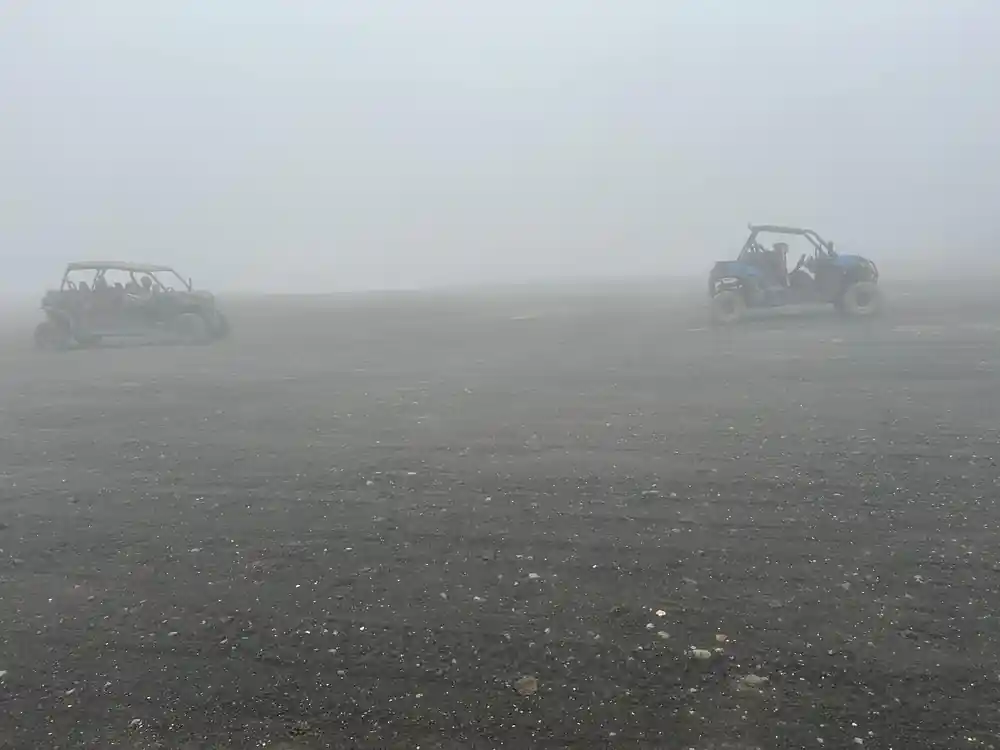
- The Guided Off-Road Volcano Buggy Tour runs 2 - 3 hours, from US$173, in groups limited to 10 participants.[2]
- Drivers need to be 20 or older, with a driving licence held for two years or more.[3]
- Lanzarote is warm all year, with an average annual temperature of about 21ºC and a steady north-east trade wind.[4][5]
- Top choice Guided Off-Road Buggy from US$173 Duration2 - 3 hours[2]Guide languagesCatalan, English, French, SpanishRating4.67 from 5,246 reviews[2]CancellationFree cancellation up to 24 hours[2] Check availability
- Can-Am Trail Buggy from US$196 Duration3 hours[6]Guide languagesEnglish, SpanishRating4.54 from 243 reviews[6]CancellationFree cancellation up to 24 hours[6] See this tour
- On-Road Buggy Volcano from US$207 Duration2.5 hours[7]Guide languagesEnglish, SpanishRating4.58 from 627 reviews[7]CancellationFree cancellation up to 24 hours[7] See this tour
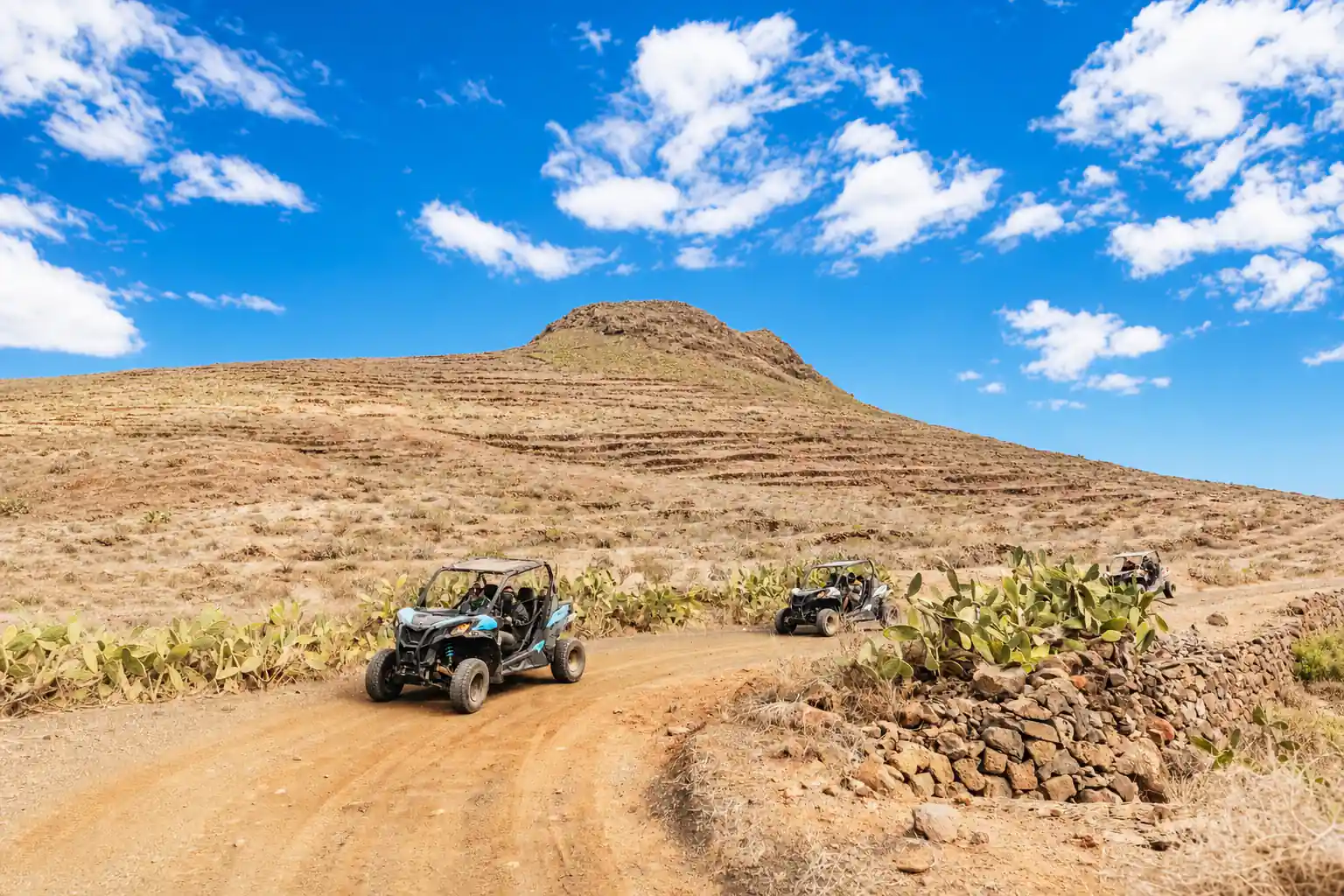
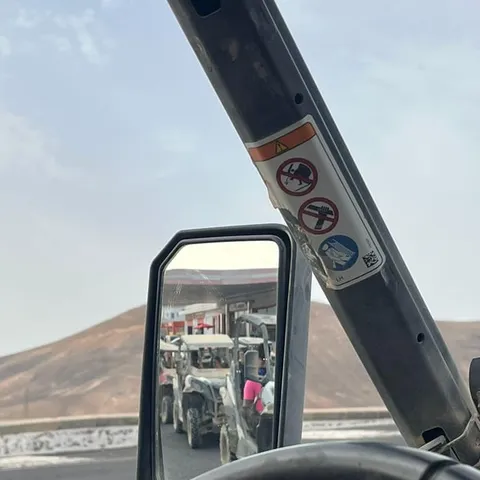
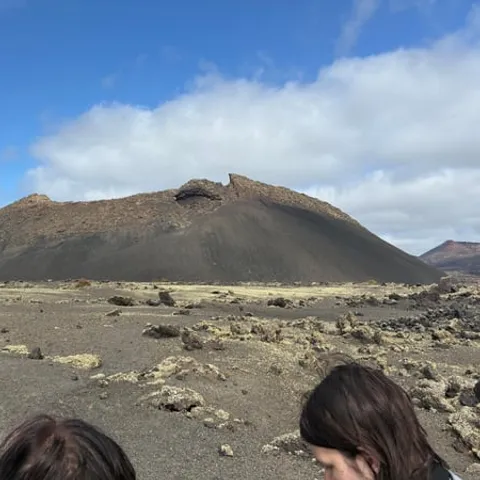
The Lanzarote Biosphere Reserve comprises the northernmost island of the Canary Archipelago, including the northern islets.
Is the lava buggy route right for you?
Read before booking
Life in the Lava: Wildlife & Plants
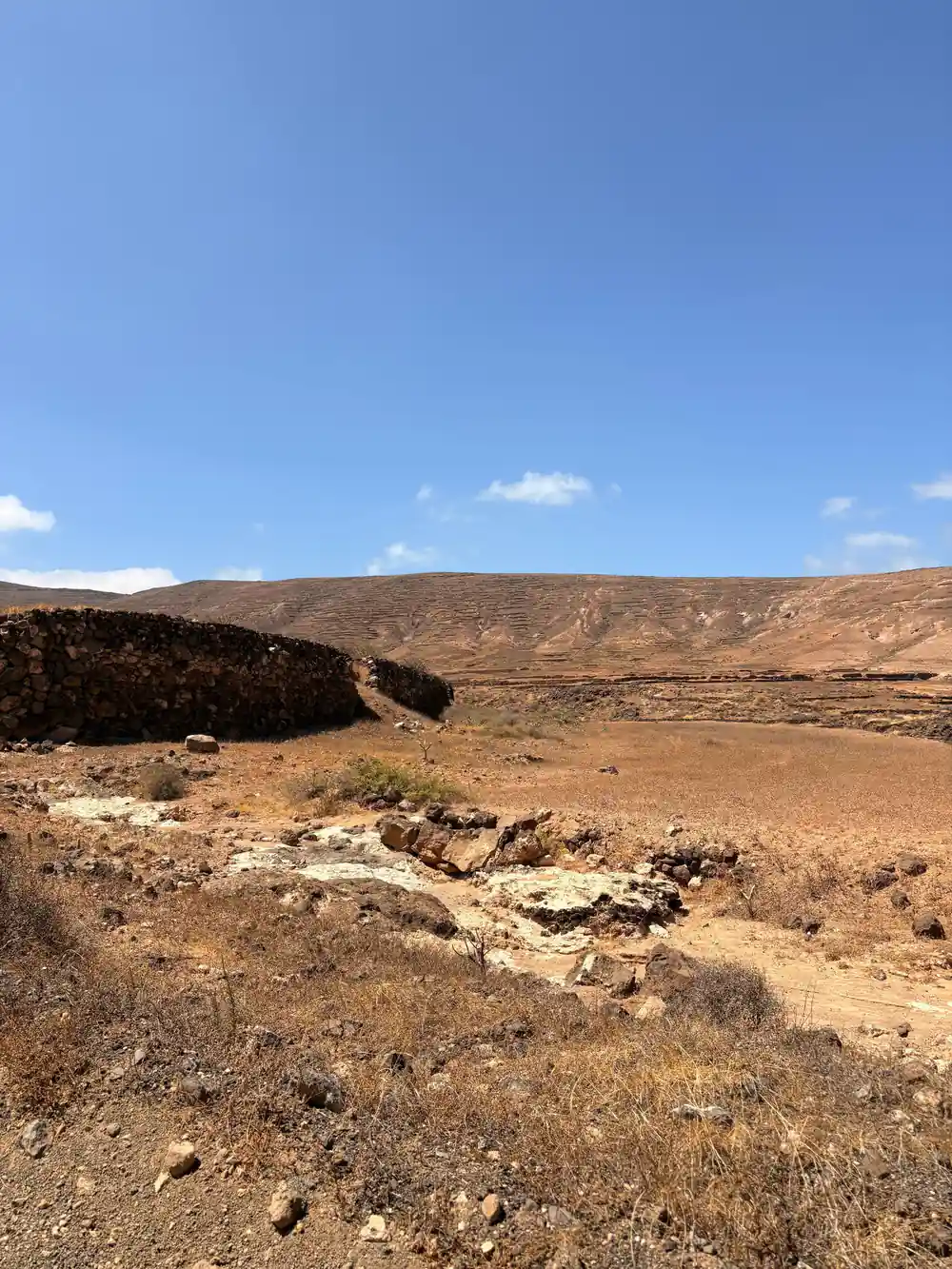
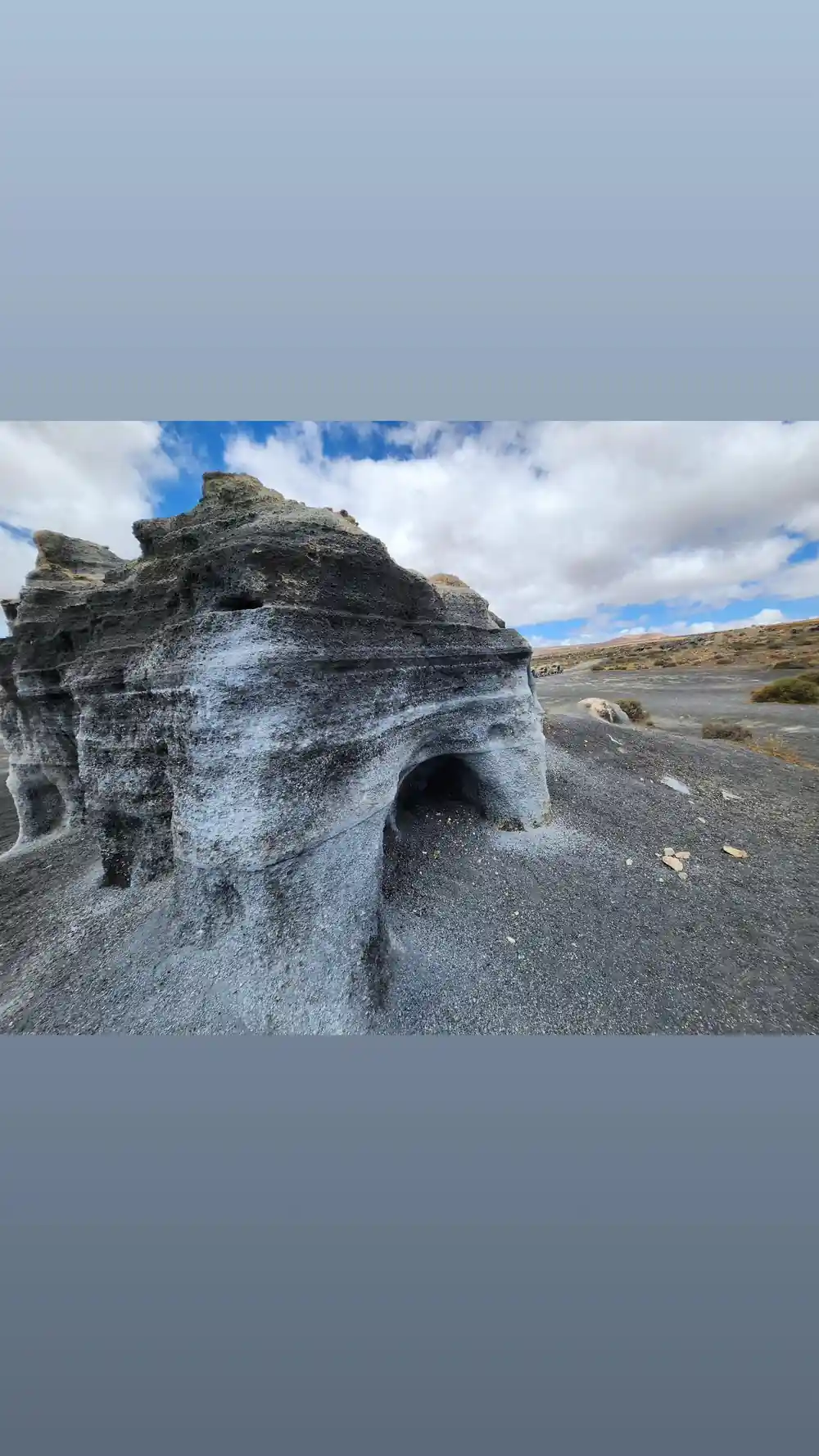
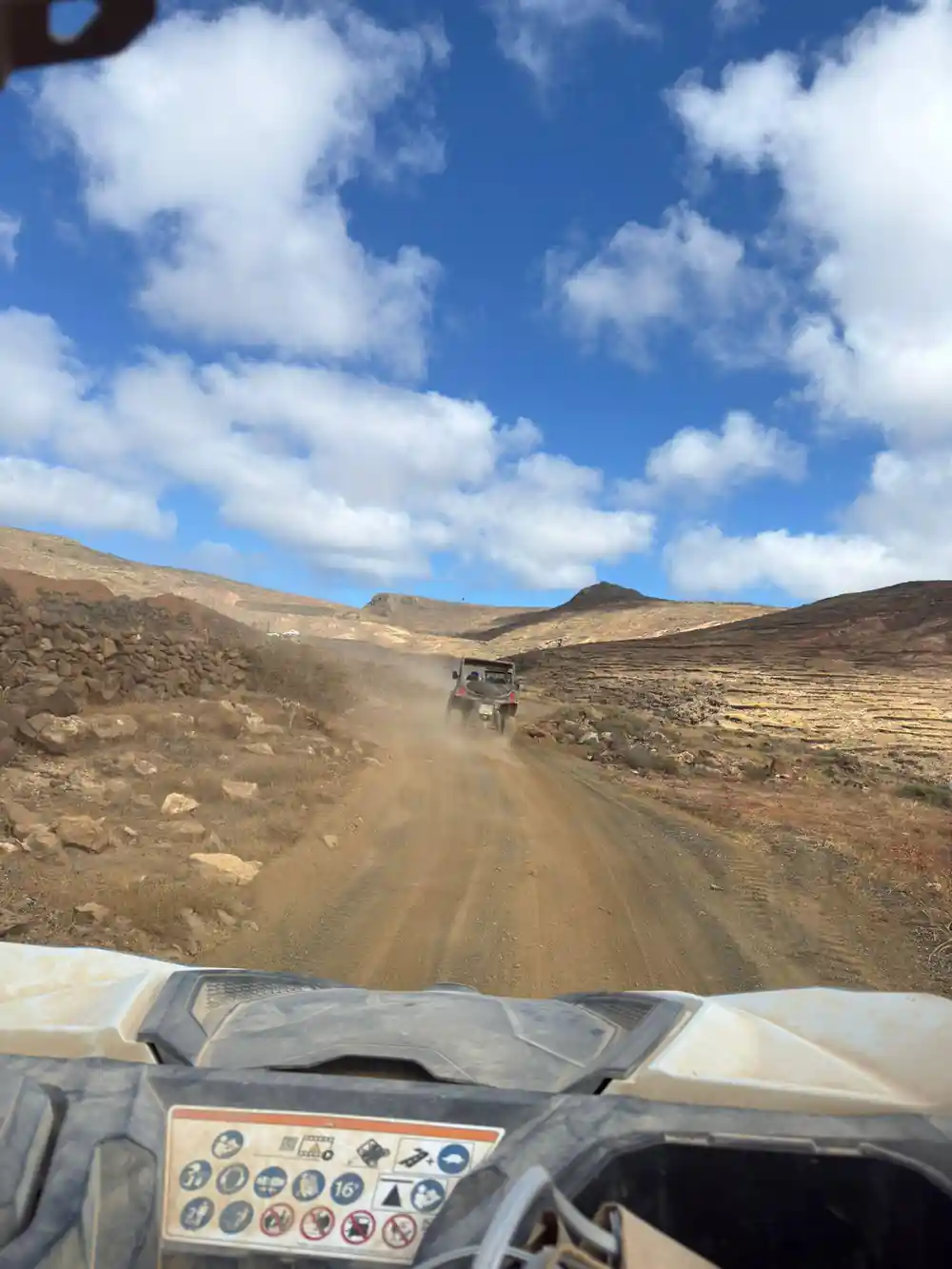
The buggy track crosses malpaís, the badlands of clinker, ash and broken basalt left by the island's eruptions. From the saddle it can look like a place where nothing lives at all. Then the low sun catches the stone and you start to see it: orange, grey-green, charcoal and pale yellow crusts, some no wider than a coin, clamped onto rock that would scorch a bare palm at midday. Lichens are the first settlers out here. They need no soil, only stone, moisture and time, and they work slowly, etching a thin mineral meal that mosses and then small succulents can move into.
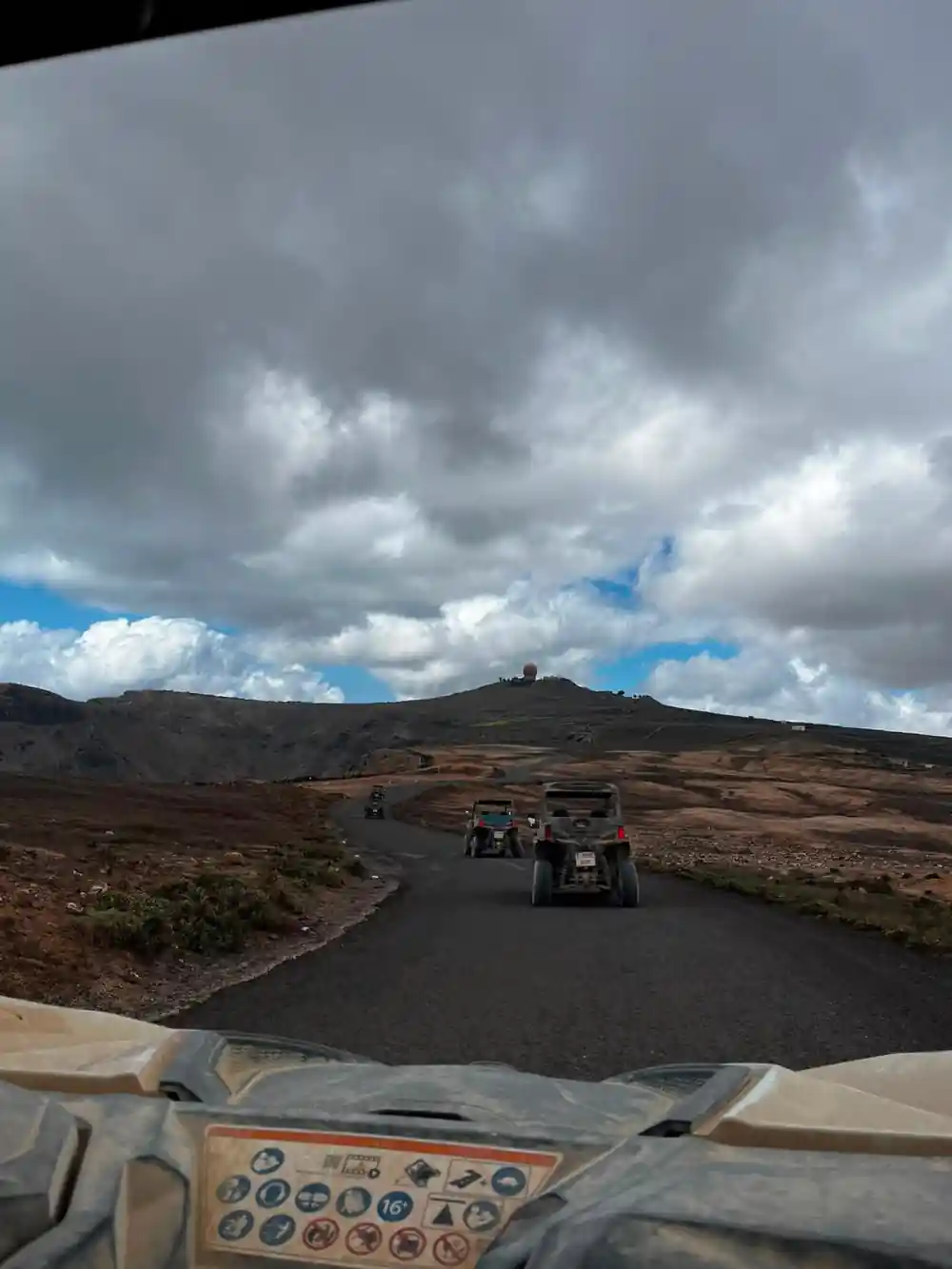
The eruptions that made this ground were neither gentle nor brief. The Timanfaya eruption lasted six years and covered 23% of Lanzarote in fresh lava and spatter.[8] Against that timescale, everything growing here now is a newcomer. The protection is formal as well as practical: Lanzarote is listed as a Biosphere Reserve under UNESCO's Man and the Biosphere Programme, comprising the northernmost island of the Canary Archipelago and the northern islets.[9] The guided off-road buggy tour runs 2 - 3 hours, and the country it crosses is exactly this kind of young, raw ground.[2]
Cochineal cacti: a crop written in red dye
Prickly pears are everywhere once you start noticing them: flat, paddle-shaped pads stacked into hedges, some taller than a person, others sprawling over old walls. They were planted as a crop rather than admired as a wild plant, and they earned their place twice over. The fruit, the tuna, is sweet and full of hard little seeds. The pads host the cochineal insect, a small scale bug that produces a deep crimson dye, and for a long stretch of the island's history that red was worth more than the fruit. Farmers brushed the insects off the pads and dried them in the sun, and the colour travelled far beyond the Canaries.
Drive past the cactus hedges and you are looking at the same dry-land farming that shaped the wine country. There the vines are grown in pits dug in volcanic ash, a centuries-old technique that takes advantage of the exceptional properties of volcanic ash.[1] Each vine sits in its own hollow in the black grit, often ringed by a low wall of stones, and the ash around it holds what little moisture the night brings. It is a landscape that makes sense once you have felt how dry and how windy this island can be, and how much a single sheltered hollow is worth.
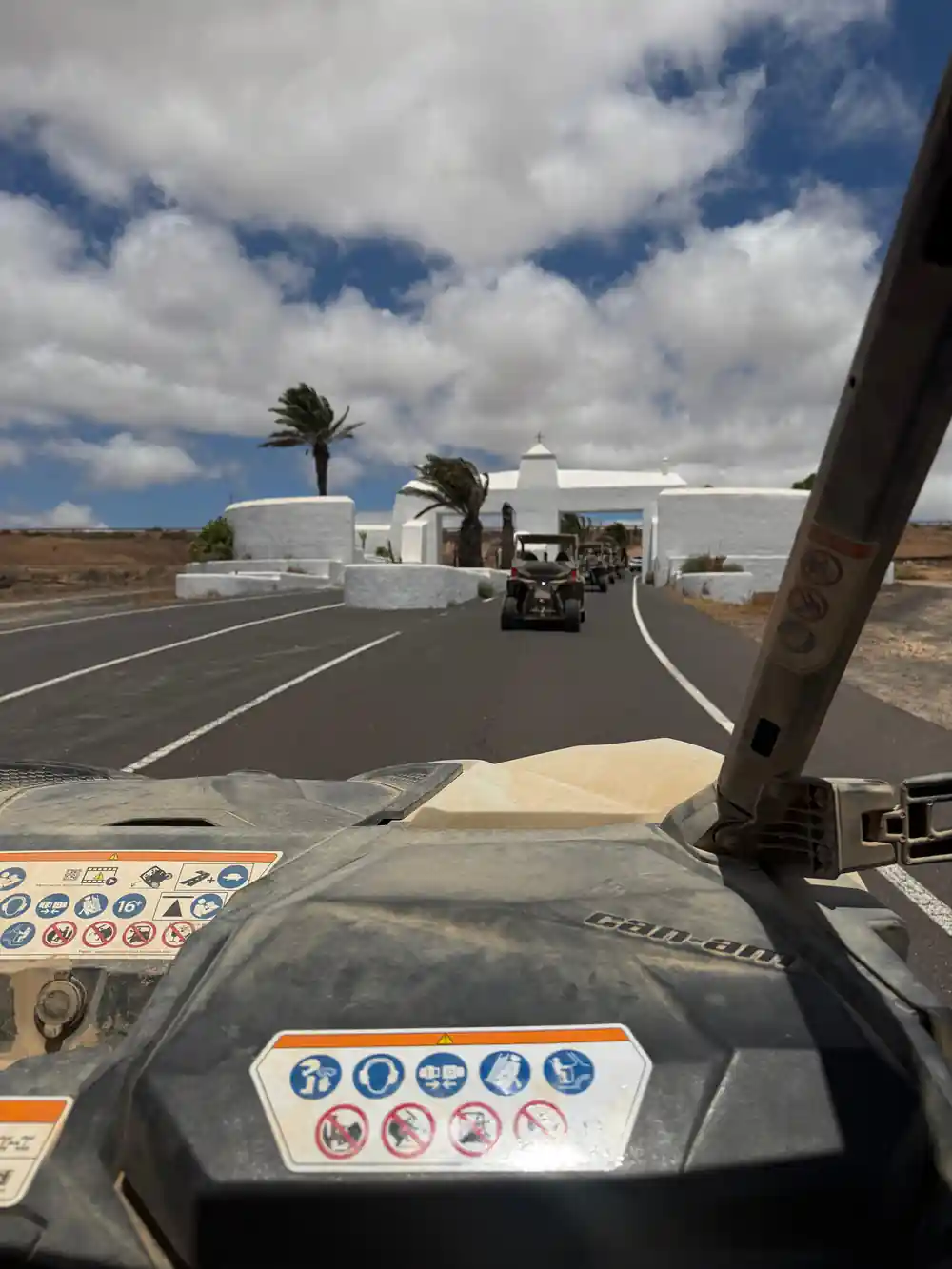
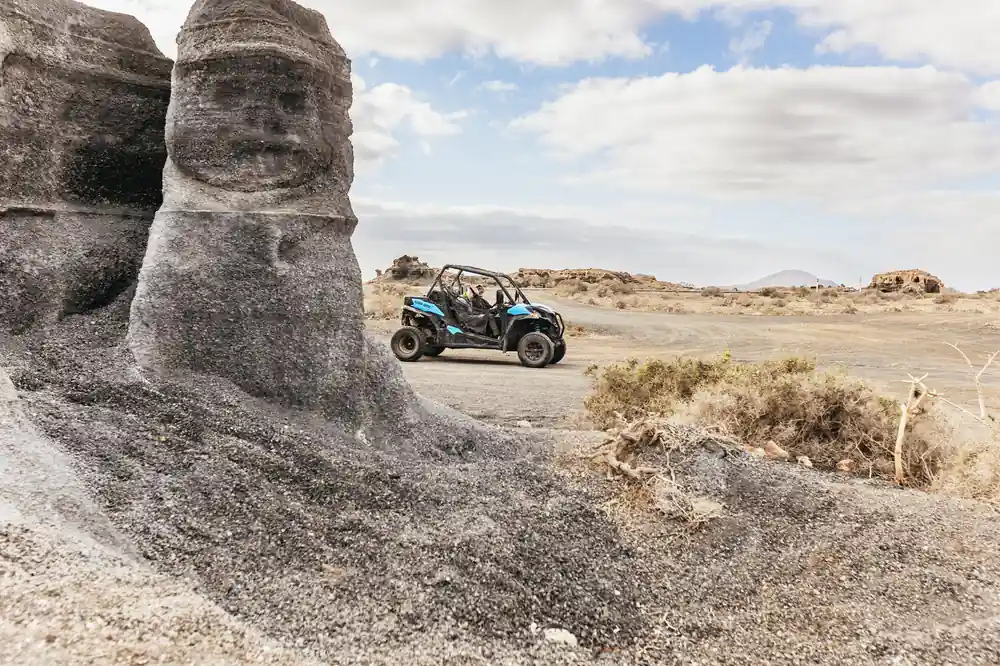
Black clinker, orange lichen and a track that vanishes into the ash.
Endemic plants that drink from the sea mist
Lanzarote sits in the area of the trade winds, where the wind blows steadily from the north-east all year round, though its speed varies.[5] That steady airflow is the island's weather maker. It keeps the worst heat off the coast, drags cloud across the higher ground, and leaves stems and leaves scoured by salt and dust. For most of the year the island stays mild: the average annual temperature is about 21ºC.[4] Plants here do not have to survive a hard winter. They have to survive wind, salt and long dry spells, which is a different set of skills altogether.
So the survivors are tough and often unglamorous: grey-leaved shrubs, spiny cushions, euphorbias that leak a milky sap, and low scrub that hugs the ground instead of standing up into the wind. In the barrancos, the dry ravines that cut down towards the coast, taller plants find shelter in the shade of the walls, and you meet palms, figs and tamarisks where you would not expect them. Higher up, the mist that the trade winds push against the slopes is a real water supply, and plants that can catch it with hairy leaves or funnel-shaped growth do better than those that cannot. Look at the different greens as you pass: the darker, denser patches are where moisture lingers.
Lizards in the lava's fractured depths
Do you get snakes in Lanzarote? In practice, no. The island has no native snakes, so the reptile you will meet on the lava is a lizard, the small Atlantic lizard that thrives in exactly this broken, sun-warmed ground. They are quick, dark and beautifully camouflaged against basalt, and they use the cracks in the lava as corridors, bolt holes and nurseries. Stand still for a while next to a rubble wall or a tumble of clinker and one will usually reappear, head up, watching you.
Basking is a lizard's main business of the morning. Cold-blooded animals have to borrow heat from the rock, so they flatten themselves against the dark stone while it is still warming, and they retreat into shade as the day builds. On a buggy route the engines are loud and the dust is constant, which sends most wildlife into cover before you arrive, but lizards come back quickly once you stop moving. Keep your distance, resist the urge to catch one, and never lift a stone to look underneath: that small act destroys the cool refuge an animal needs for the rest of the day.
from US$173
The Guided Off-Road Volcano Buggy Tour runs 2 - 3 hours with a live guide and free cancellation up to 24 hours in advance.[2]
Wild goats on the northern slopes
Goats have been part of Lanzarote farming for a long time, and the herds are still a working part of the landscape rather than a display put on for visitors. You often hear the bells before you see the animals. They browse on scrub that would starve a cow, work their way along the terraces and dry stone walls, and their milk goes into the island's cheeses. A herd on a slope looks like scattered white and brown stones until one of them moves, and then the whole hillside seems to rearrange itself.
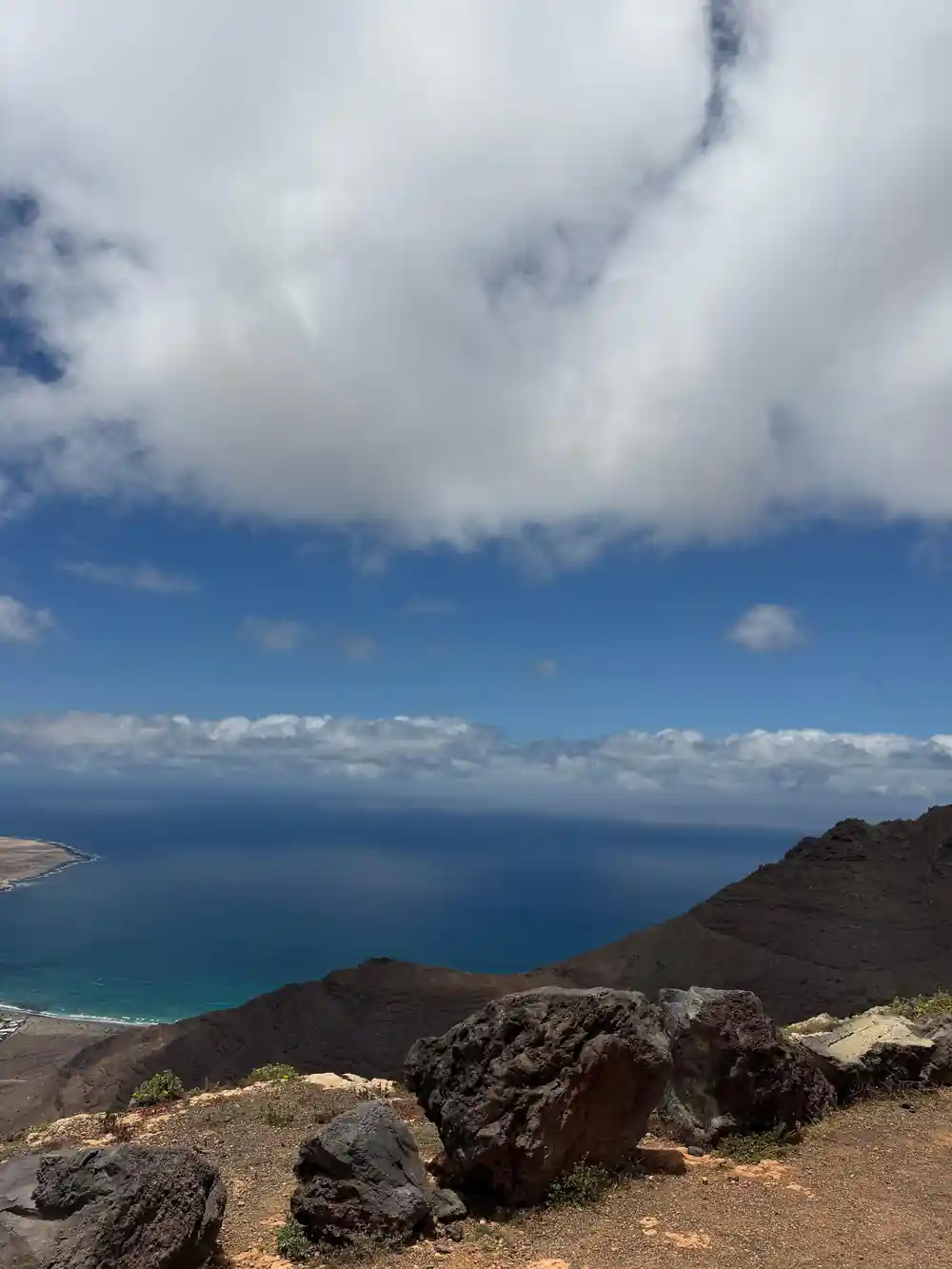
The north of the island is where the land rises highest. Peñas del Chache, the tallest mountain on Lanzarote, stands 672 meters (about 2,205 feet) above the sea.[10] The slopes below it collect more cloud and more grazing than the bare south, and this is goat country: rough tracks, terraced fields and old threshing floors. Ask your guide about the herds if you are curious; they move with the seasons and with whatever green there is. Even from a distance, watch how they pick their way along ground that would have most of us on all fours.
Raptors riding the Famara updraughts
Where a ridge meets a steady wind, birds get a free lift. On Lanzarote, the long wall of the Famara massif in the north-west turns the trade wind upward. On a breezy afternoon you can watch kestrels hang there without a single wingbeat, working the edge of the cliff for anything small and careless below. Ravens tumble past, swifts and swallows cut through the lower air, and the cliffs hold seabirds that spend most of their lives far out over the Atlantic.
The same appetite for moving air shows up along the wild south-west coast. Los Hervideros is a stretch of dramatic black lava cliffs where the Atlantic surges into a labyrinth of sea caves and blowholes and seems to boil among the rocks.[11] Close by, on the west coast near Yaiza, the crater of an extinct volcano submerges into the Atlantic and forms the Charco de los Clicos, the Green Lagoon, declared a Natural Reserve.[12] Seabirds work these cliffs and the spray line, and the whole coast is a reminder that the island's life is not only inland and not only on the lava.
The web of life on Lanzarote's lava
Nothing out here stands alone. Lichen and algae break rock down into a thin soil; that soil holds enough for scrub and cactus; the scrub feeds insects and lizards; the lizards feed kestrels and ravens; fallen fruit and seed feed goats and mice, which feed the birds that hunt them. Take one piece out and the effects ripple. The lava fields look empty because so much of their life is small, slow and hidden in cracks, under stones, or behind the leaf litter in a ravine.
People are part of this system too, and in large numbers: Lanzarote receives just over 3 million holiday tourists per year, plus a further 500,000 day visitors arriving by cruise ship.[13] That is a lot of feet on a small island of dry stone and slow-growing plants. The simple habits help. Stay on the track, take photographs rather than stones or cuttings, keep food and water to yourself, and leave gates and walls as you find them. The guided off-road buggy tour runs 2 - 3 hours.[2] The lichens you pass along the way grow very slowly and do not recover quickly once scraped off the rock.
Reviews for Lanzarote buggy tours
Buggy tour from-prices
US dollar from-prices on GetYourGuide[2][6][7][14]
When to ride the lava route
Plan your day on the lava
Check the driving rules
Only licensed drivers take the wheel, and the operator asks for a minimum age of 20 with a licence held for at least two years.[3]
Book the right slot
The tour runs 2 - 3 hours in groups limited to 10 participants, and starting times vary.[2]
Dress for dust and sun
Expect grit, wind and strong light. Closed shoes, sunglasses and a light long-sleeved layer make the ride far more comfortable.
Look for the small things
Scan the rock at every pause: lichen colour, cactus pads, a lizard on a warm stone. The wildlife here is small and quick, so slow your eyes down.
Leave no trace
Stay on the track, take photos rather than stones or plants, and leave the lava and its crevices exactly as you find them.
Ride the lava fields with a local guide at the wheel
from US$174Reserve now & pay later